Best Timing for Concrete Pad Leveling
Concrete pad levelings are essential for ensuring stability and proper function of structures such as driveways, patios, and walkways. The timing of these levelings can significantly impact their durability and effectiveness. Proper scheduling based on weather conditions and soil stability helps prevent issues like cracking or shifting.
Spring and early summer are ideal times due to moderate temperatures and lower moisture levels, reducing the risk of cracking.
Avoid leveling during freezing temperatures or heavy rainfall, which can interfere with setting and curing processes.
Dry, stable soil conditions provide the best foundation for concrete levelings, minimizing future settling or unevenness.
Ideal temperatures for leveling range from 50°F to 85°F, ensuring proper curing and adhesion.
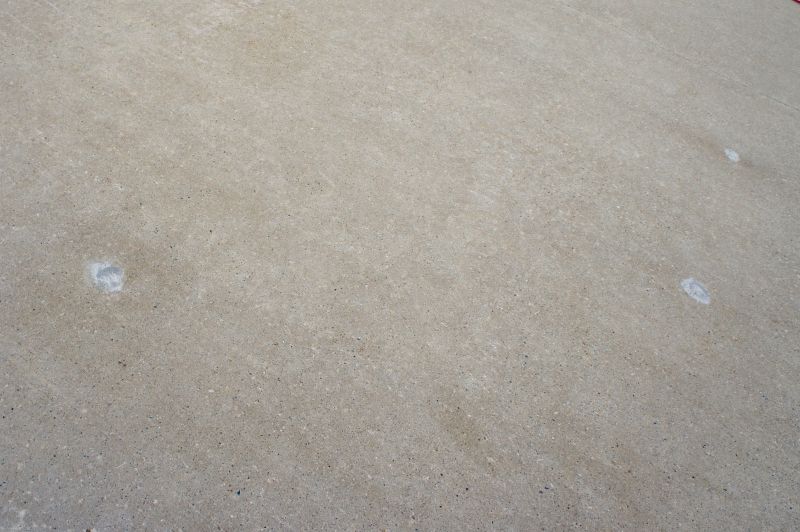
Proper surface preparation is crucial for effective leveling.
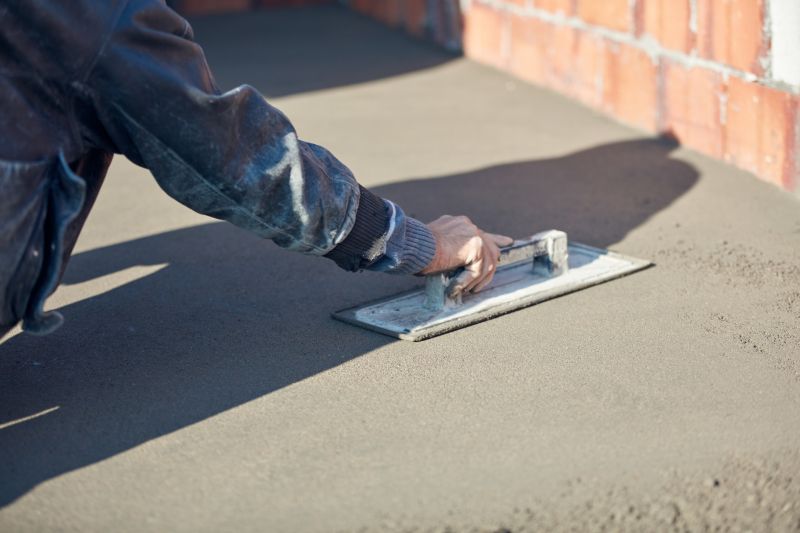
Timing the pour during suitable weather ensures optimal curing.
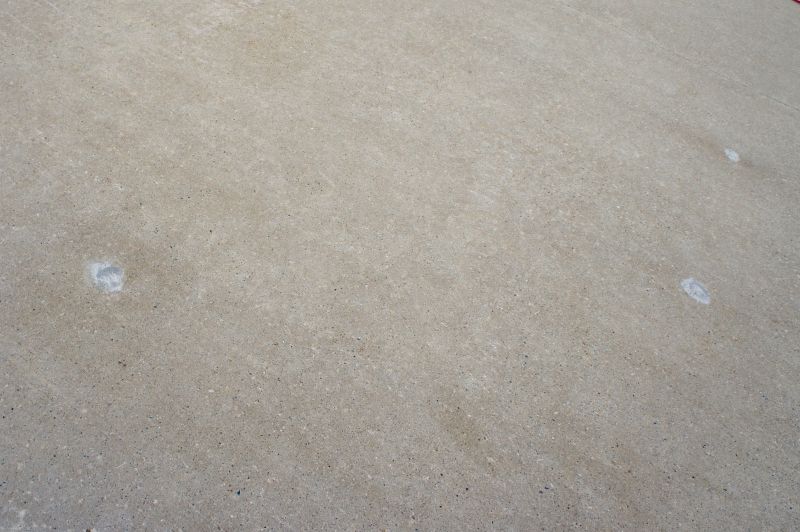
Regular inspections help identify settling or unevenness early.
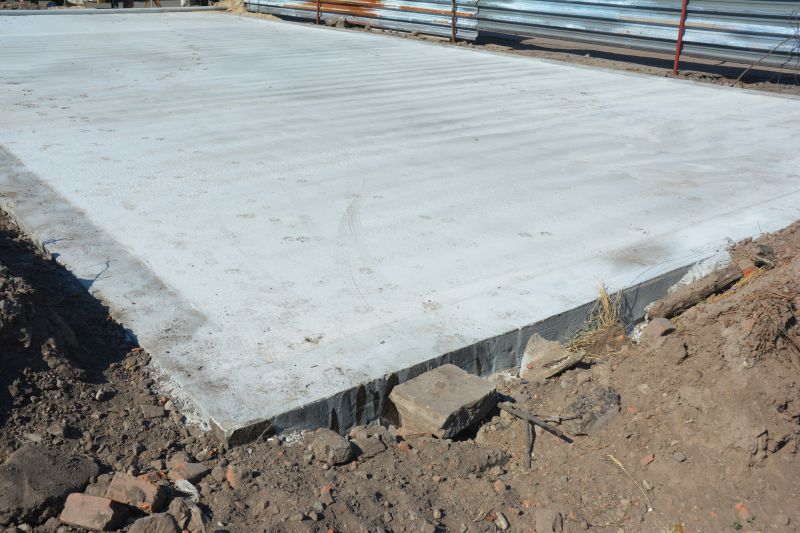
Ways to make Concrete Pad Levelings work in tight or awkward layouts.
Popular materials for Concrete Pad Levelings and why they hold up over time.
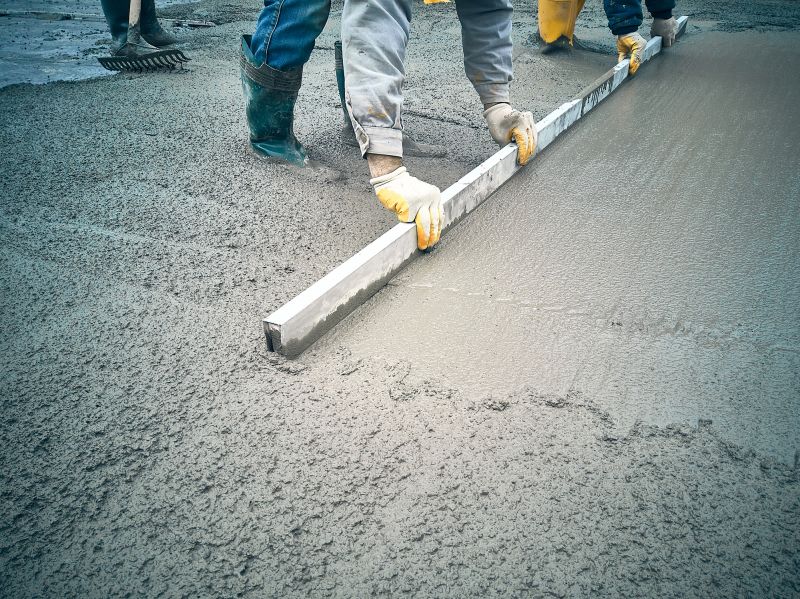
Simple add-ons that improve Concrete Pad Levelings without blowing the budget.
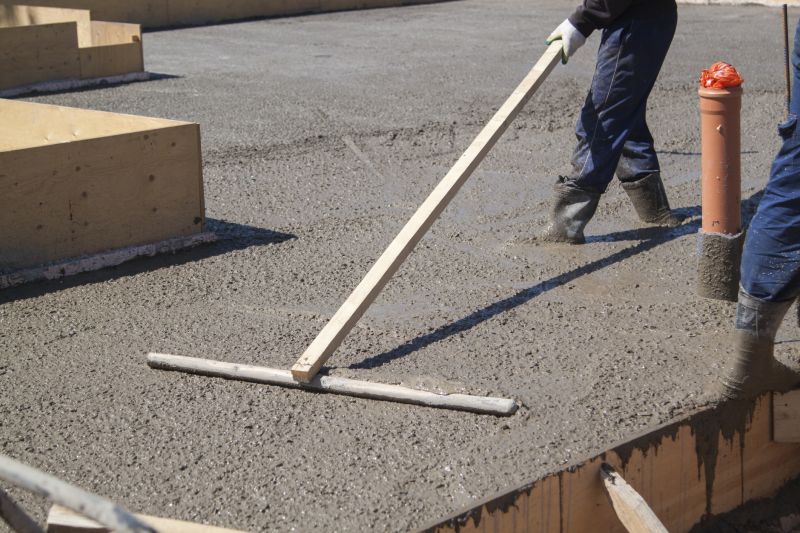
High-end options that actually feel worth it for Concrete Pad Levelings.
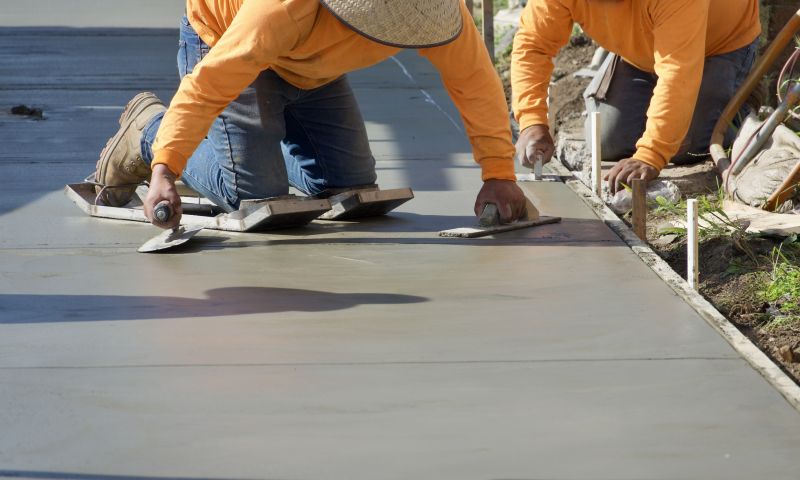
Finishes and colors that play nicely with Concrete Pad Levelings.
| Season/Time | Recommended Conditions |
|---|---|
| Spring | Moderate temperatures, low rainfall |
| Early Summer | Warm, dry weather |
| Fall | Mild temperatures, dry conditions |
| Avoid | Freezing temperatures and heavy rain |
| Ideal Temperature Range | 50°F to 85°F |
Concrete pad levelings are performed to correct uneven surfaces caused by soil movement, settling, or improper initial installation. Proper timing ensures the concrete cures correctly, reducing the likelihood of cracks and shifting. The process involves preparing the existing surface, applying leveling compounds or new concrete, and allowing adequate curing time. Weather plays a significant role; dry, moderate conditions promote optimal results while extreme cold or wet conditions can compromise the integrity of the leveling.
Statistics indicate that scheduling concrete work during favorable weather conditions can extend the lifespan of the pad by reducing cracking and shifting. Properly timed levelings can improve surface stability, prevent costly repairs, and enhance safety. Consulting with a professional can help determine the best timing based on local climate patterns and soil conditions.
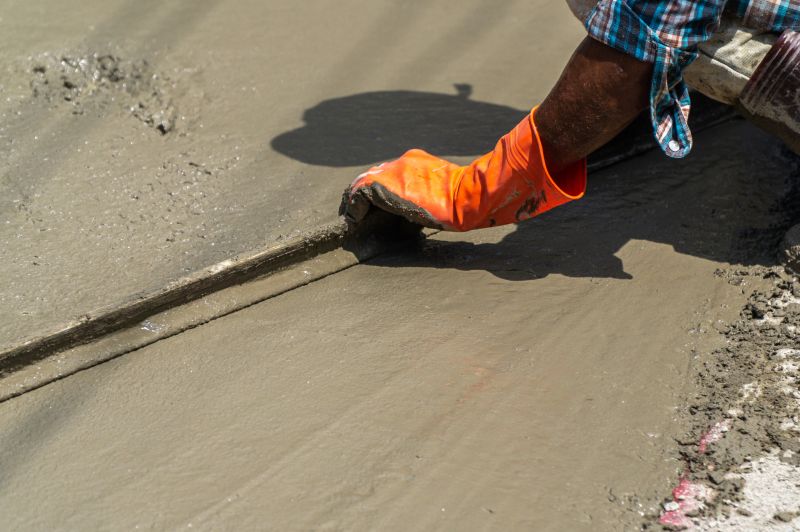
Smooth and even concrete surface after leveling.
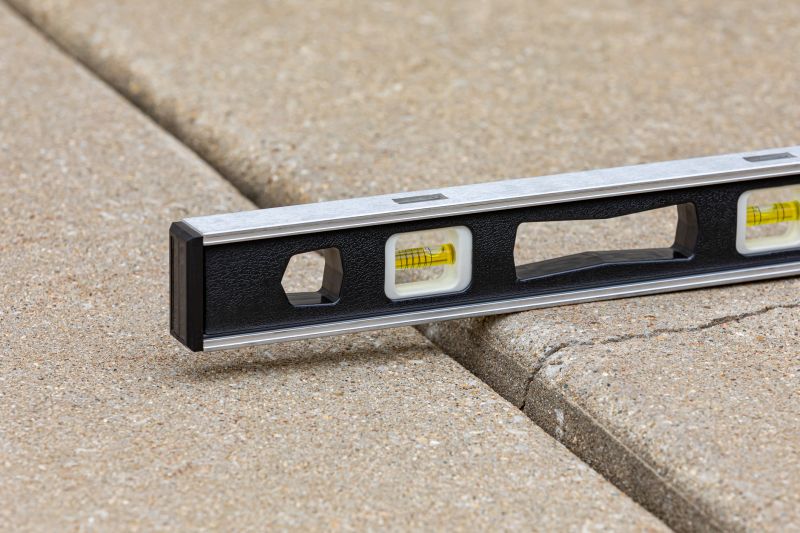
Checking forecast before scheduling work.
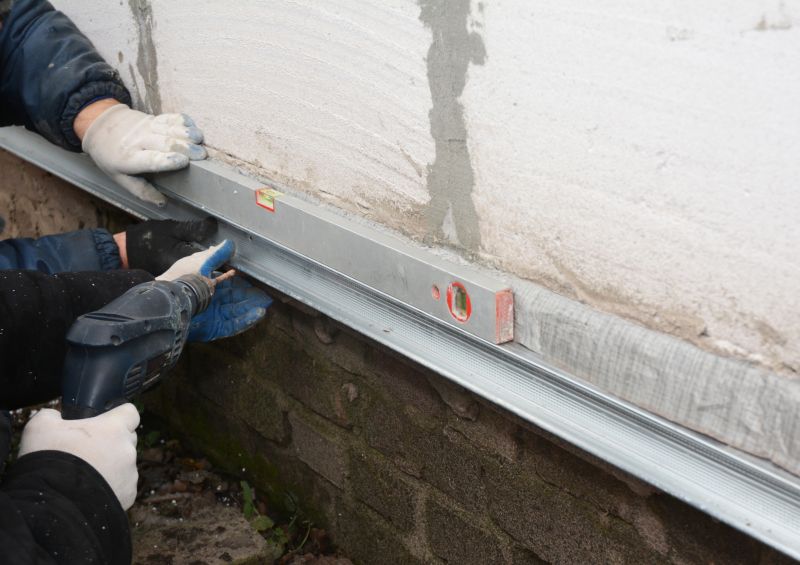
Ensuring soil is dry and stable prior to leveling.
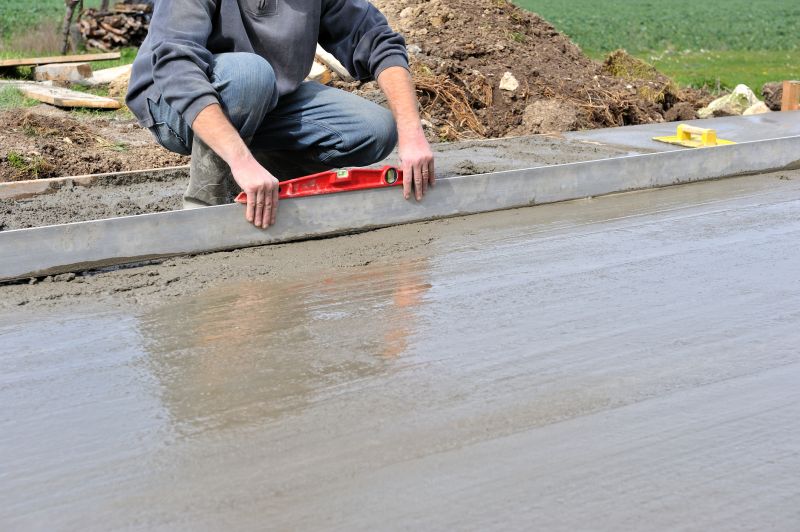
Proper curing for maximum strength.
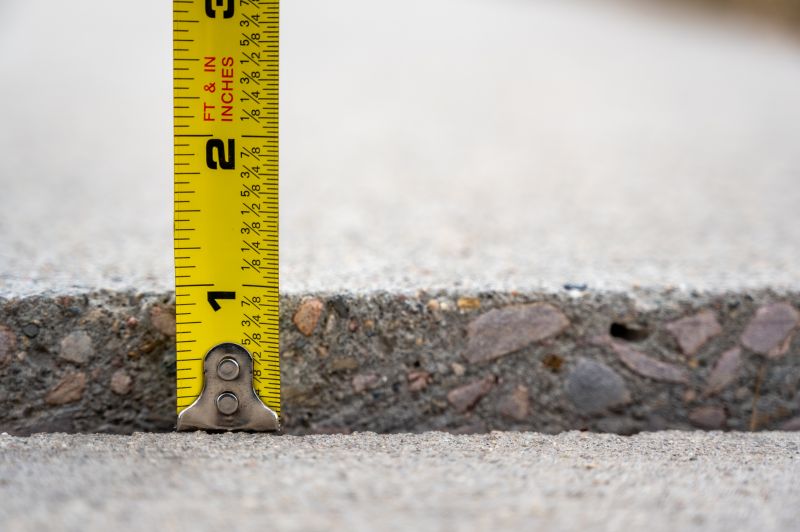
Little measurements that prevent headaches on Concrete Pad Levelings day.
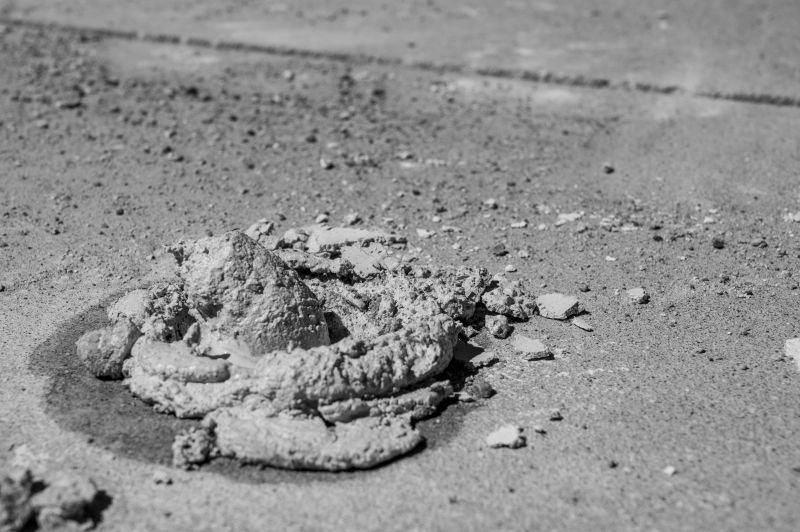
A 60-second routine that keeps Concrete Pad Levelings looking new.
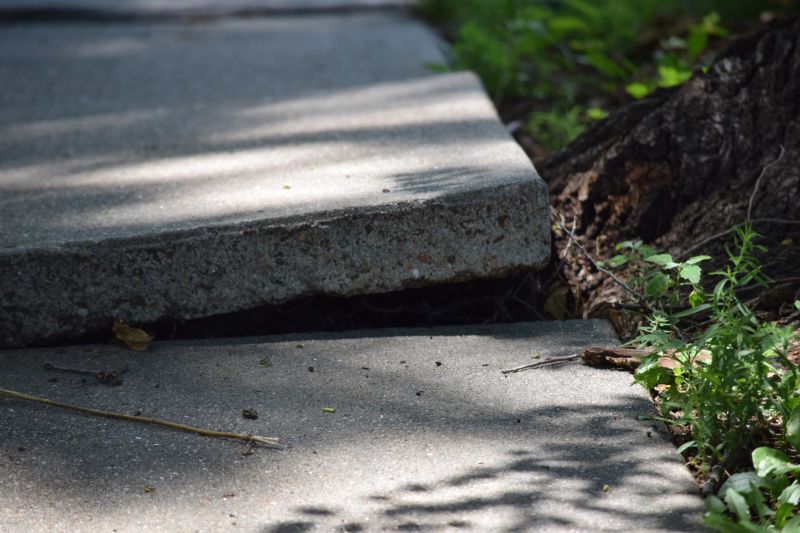
A frequent mistake in Concrete Pad Levelings and how to dodge it.
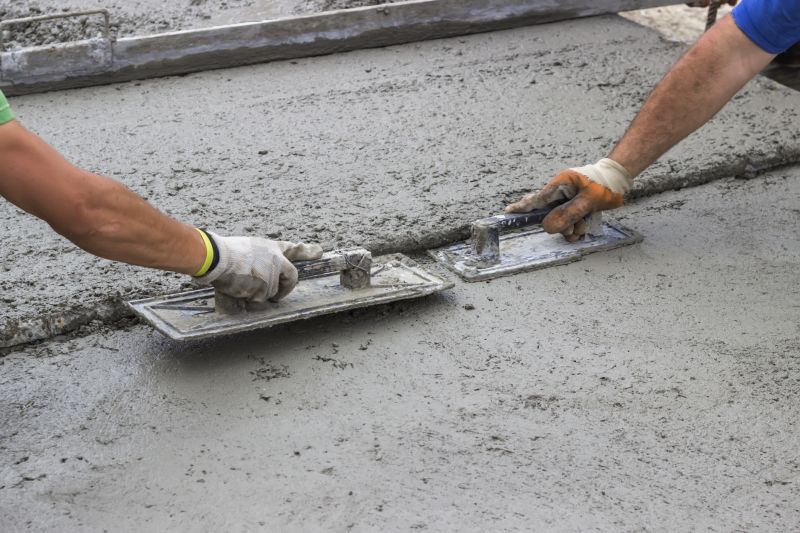
Small tweaks to make Concrete Pad Levelings safer and easier to use.
Interested in scheduling a concrete pad leveling? Filling out the contact form can help connect with professionals who can assess conditions and recommend the best timing for a durable, long-lasting result.